Walk the ancient capital of thirteen dynasties, where the Silk Road began
Xi'an, formerly known as Chang'an, stands as one of the Four Great Ancient Capitals of China. Serving as the capital for thirteen dynasties spanning over 1,100 years, it is a city where the very soil whispers tales of emperors, poets, and warriors who shaped the course of Chinese civilization.
As the eastern terminus of the legendary Silk Road, Xi'an was once the largest and most cosmopolitan city in the world. Merchants, monks, and diplomats from across Asia and beyond converged upon its gates, bringing with them ideas, religions, and goods that transformed Chinese culture forever.
Today, Xi'an is home to one of the greatest archaeological discoveries of all time: the Terracotta Army. Over 8,000 life-size clay soldiers stand guard over the tomb of China's first emperor, Qin Shi Huang, a silent testament to the ambition and artistry of a civilization that has endured for millennia.
Capital of 13 Dynasties
Home to the Terracotta Army and countless imperial relics spanning millennia
Eastern starting point of the ancient Silk Road trade route
Legendary wheat-based cuisine from the heartland of Chinese cooking
Magnificent city walls, pagodas, and palaces from dynasties past
Over 8,000 life-size clay soldiers guarding the tomb of Emperor Qin Shi Huang for over 2,000 years. Each warrior bears a unique face, an army frozen in time.
One of the oldest and best-preserved city walls in China, dating to the Ming Dynasty. Stretching 13.7 kilometers, it offers panoramic views and bicycle rides along the ramparts.
Housing over 370,000 artifacts spanning from prehistoric times to the modern era, this museum is a treasure vault of Chinese civilization and one of the nation's finest.
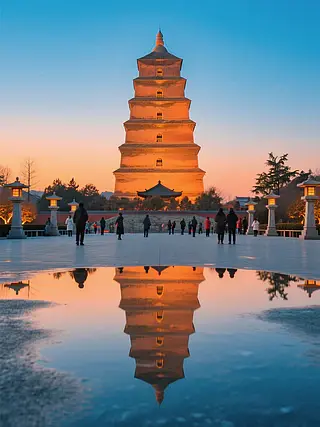
A towering Buddhist pagoda built in 652 AD during the Tang Dynasty to house scriptures brought from India by the monk Xuanzang. A symbol of Xi'an's spiritual heritage.
Standing at the very heart of Xi'an since 1384, this iconic wooden tower once rang in the dawn for the imperial city. Its Ming Dynasty architecture is a masterpiece of proportion and grace.
A vibrant neighborhood around the Great Mosque, where Hui Muslim culture has thrived for over a thousand years. Narrow lanes overflow with aromatic street food and traditional crafts.
Xi'an cuisine, rooted in the wheat-growing heartland of Shaanxi Province, is one of China's most distinctive and ancient culinary traditions. For centuries, the imperial kitchens of thirteen dynasties refined these flavors into an art form that endures to this day.
The cuisine is characterized by its mastery of wheat and flour -- hand-pulled noodles, stuffed flatbreads, and steamed buns form the backbone of every meal. Bold flavors of cumin, chili, and vinegar reflect the Silk Road's influence, while halal traditions from the Hui Muslim community add extraordinary depth and variety.
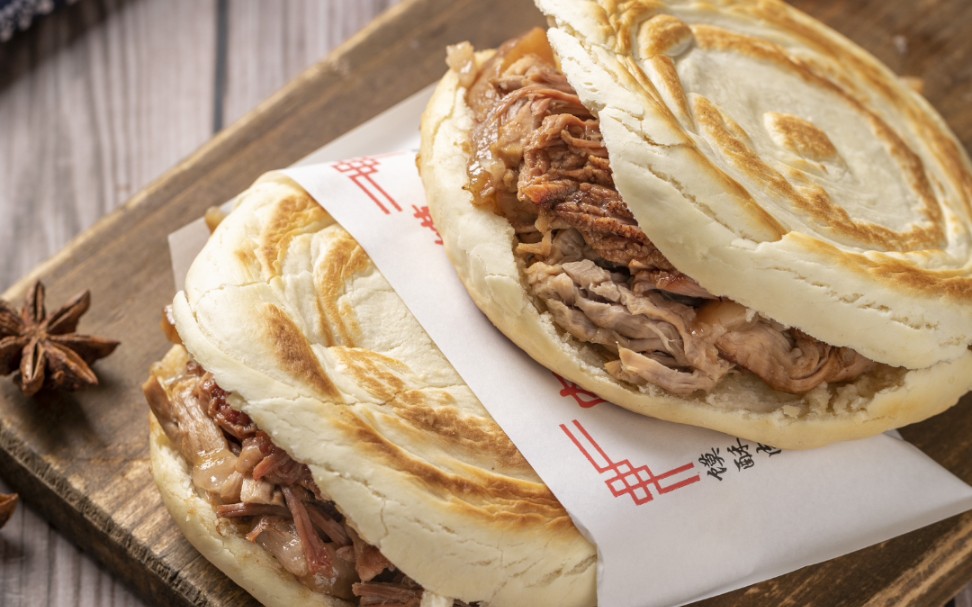
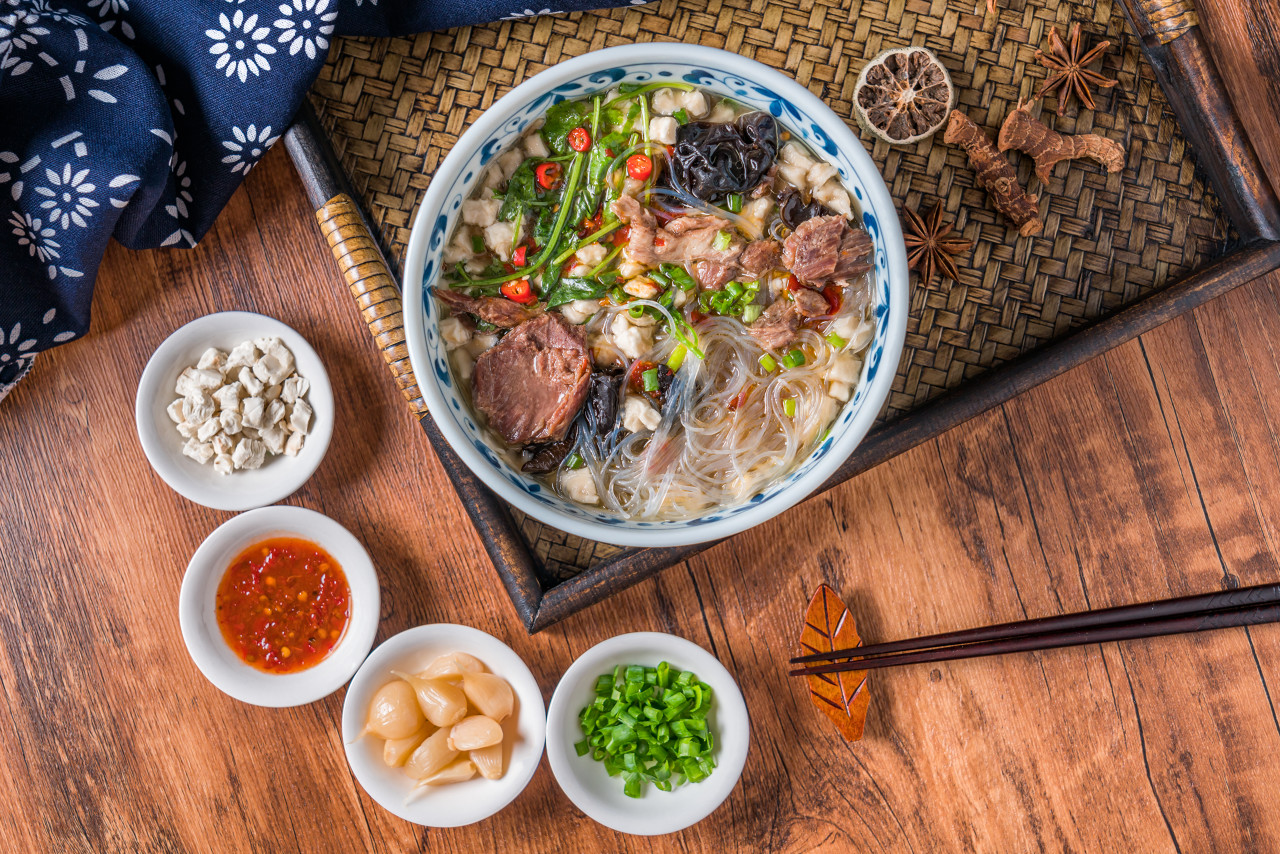
No visit to Xi'an is complete without tearing into a Roujiamo, often called the world's oldest hamburger, or savoring a bowl of Yangrou Paomo, where torn flatbread meets rich lamb broth in a ritual as old as the city itself.
Slow-braised pork belly stuffed inside a crispy baked flatbread -- the world's oldest hamburger, dating back over 2,000 years.
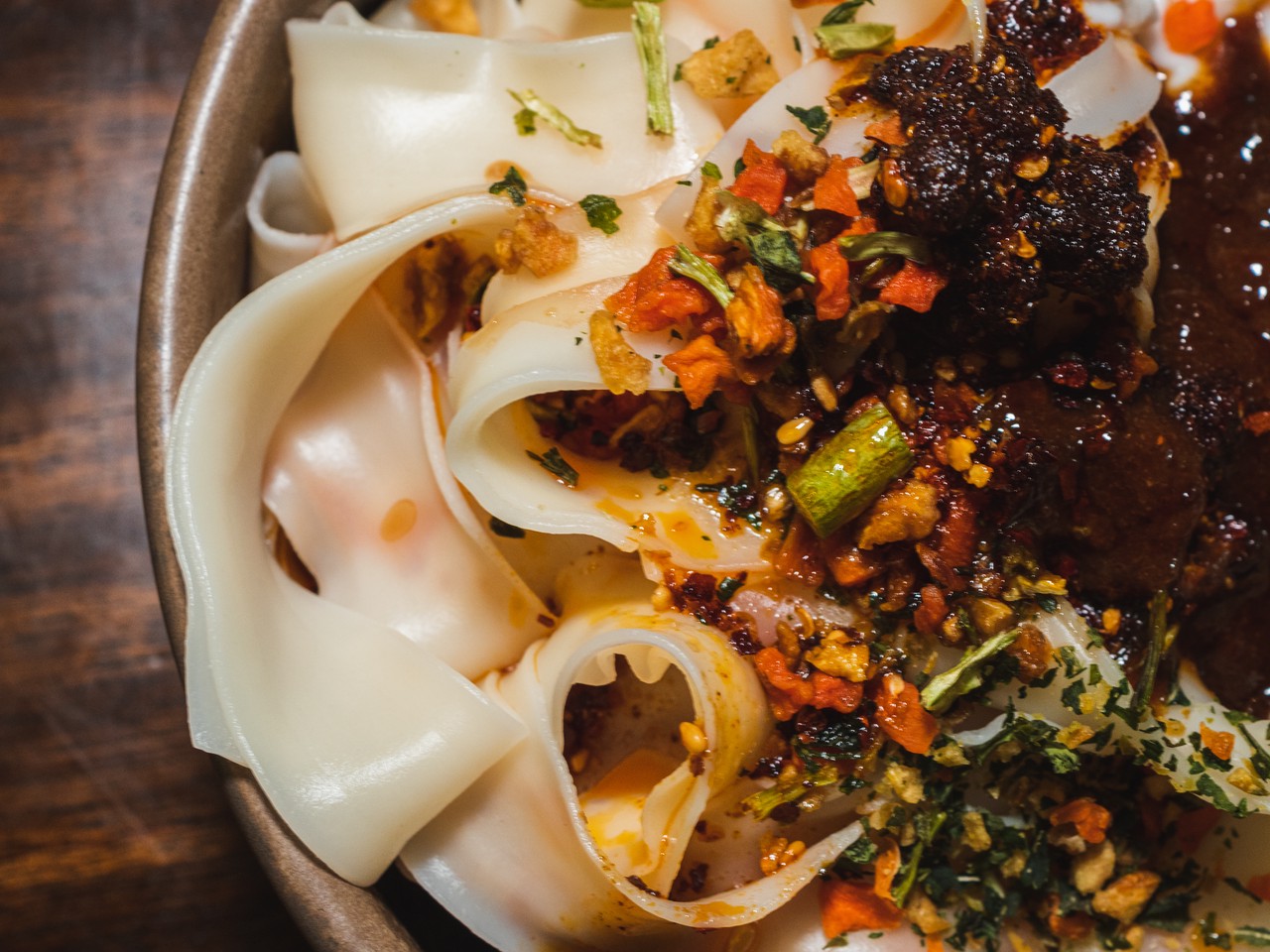
Wide hand-pulled belt noodles draped in chili oil, garlic, and vinegar. Its Chinese character is one of the most complex ever written.
Tear flatbread into tiny pieces, then drench in rich lamb broth with tender mutton. A communal ritual as much as a meal.
From persimmon cakes to cold rice noodles, pita soaked in lamb soup to glutinous rice jujube -- the streets are a feast of discovery.
The most famous food street in Xi'an, where the aromas of cumin-roasted lamb, freshly baked flatbread, and sizzling skewers fill the air along centuries-old lanes.
A cultural food complex showcasing Shaanxi's intangible culinary heritage. Sample authentic regional dishes from every corner of the province under one roof.
The heart of Hui Muslim culinary culture in Xi'an, offering the most authentic halal street food experience with recipes passed down for generations.